Waste Based Brick
Request Information
Please sign in first or register for free to contact DC Bricks B.V..
- story by DC Bricks B.V.
WasteBasedBricks® are developed as a future-proof interpretation of a material that has defined architecture for centuries.
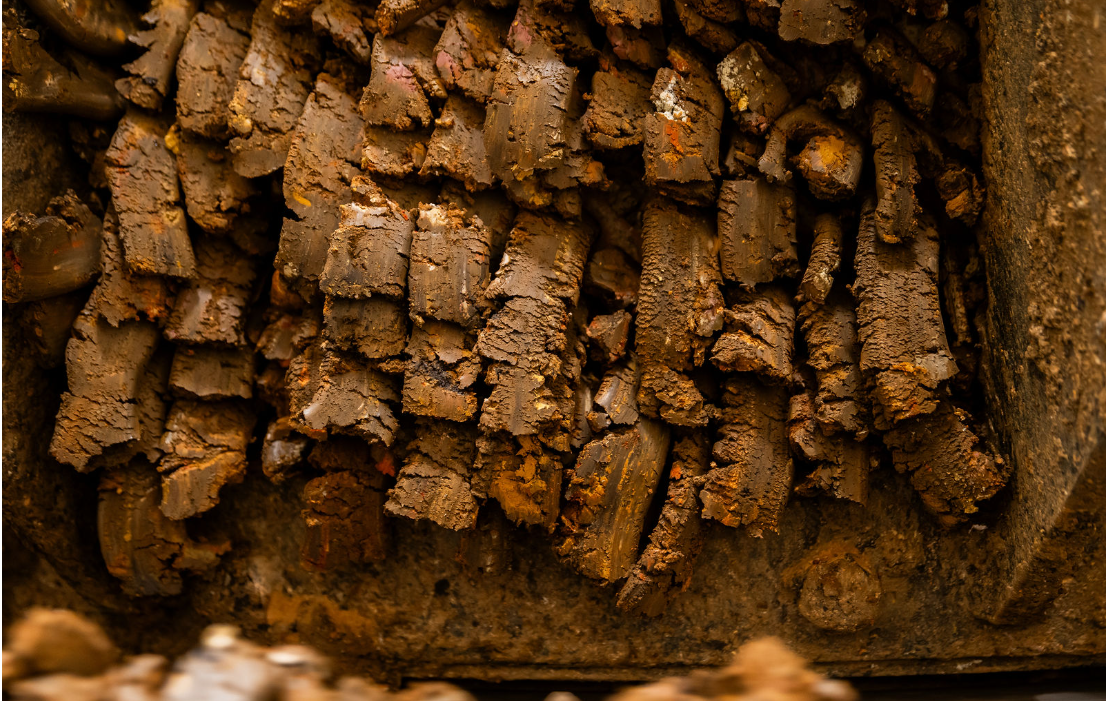
The WasteBasedBricks® assortment consists of a minimum of 60% mineral waste streams. These residual materials originate from construction and industrial processes and are carefully selected and processed as a secondary raw material. By using waste as a resource, this brick actively contributes to reducing the demand for primary raw materials and supports the transition towards a circular construction economy.
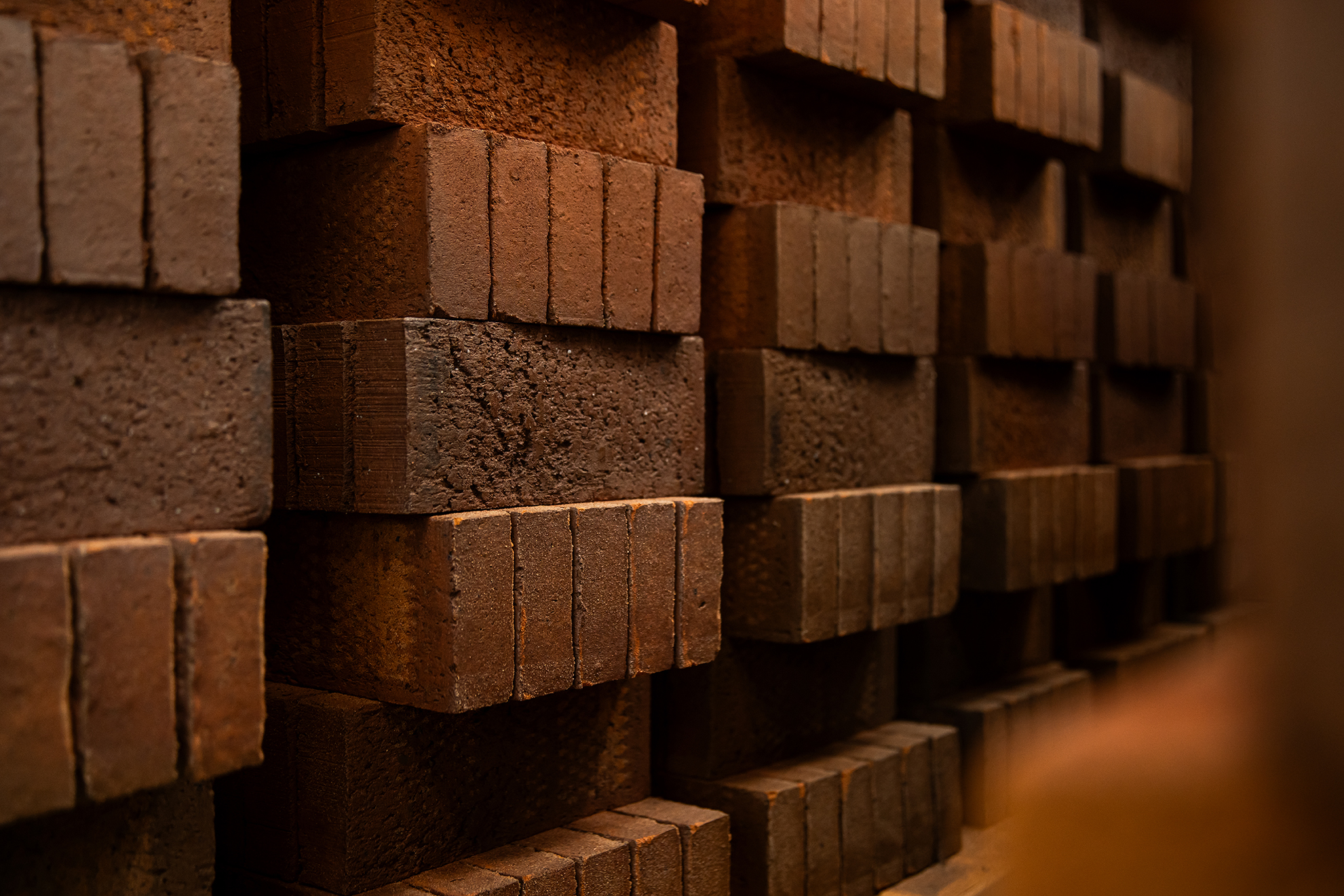
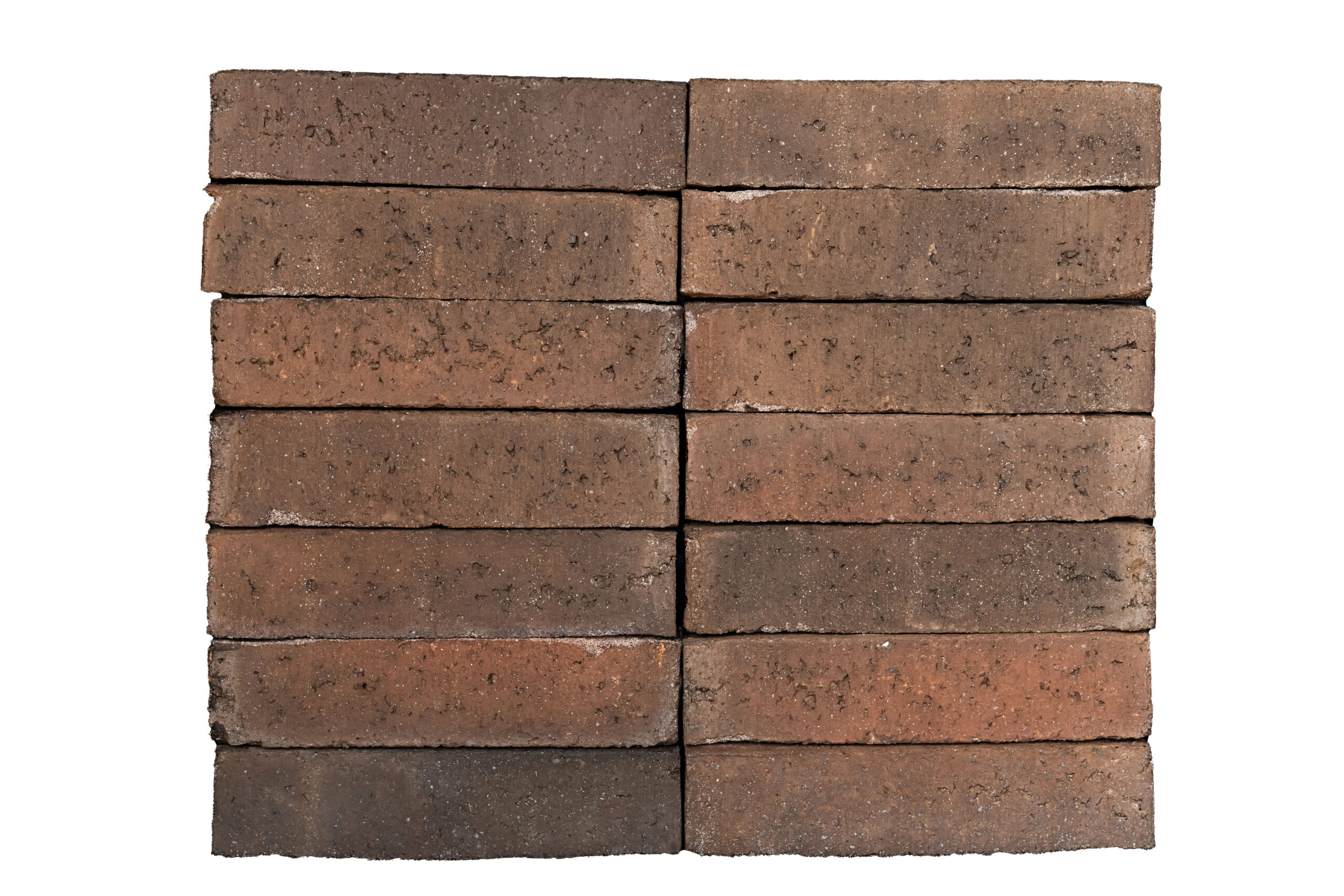
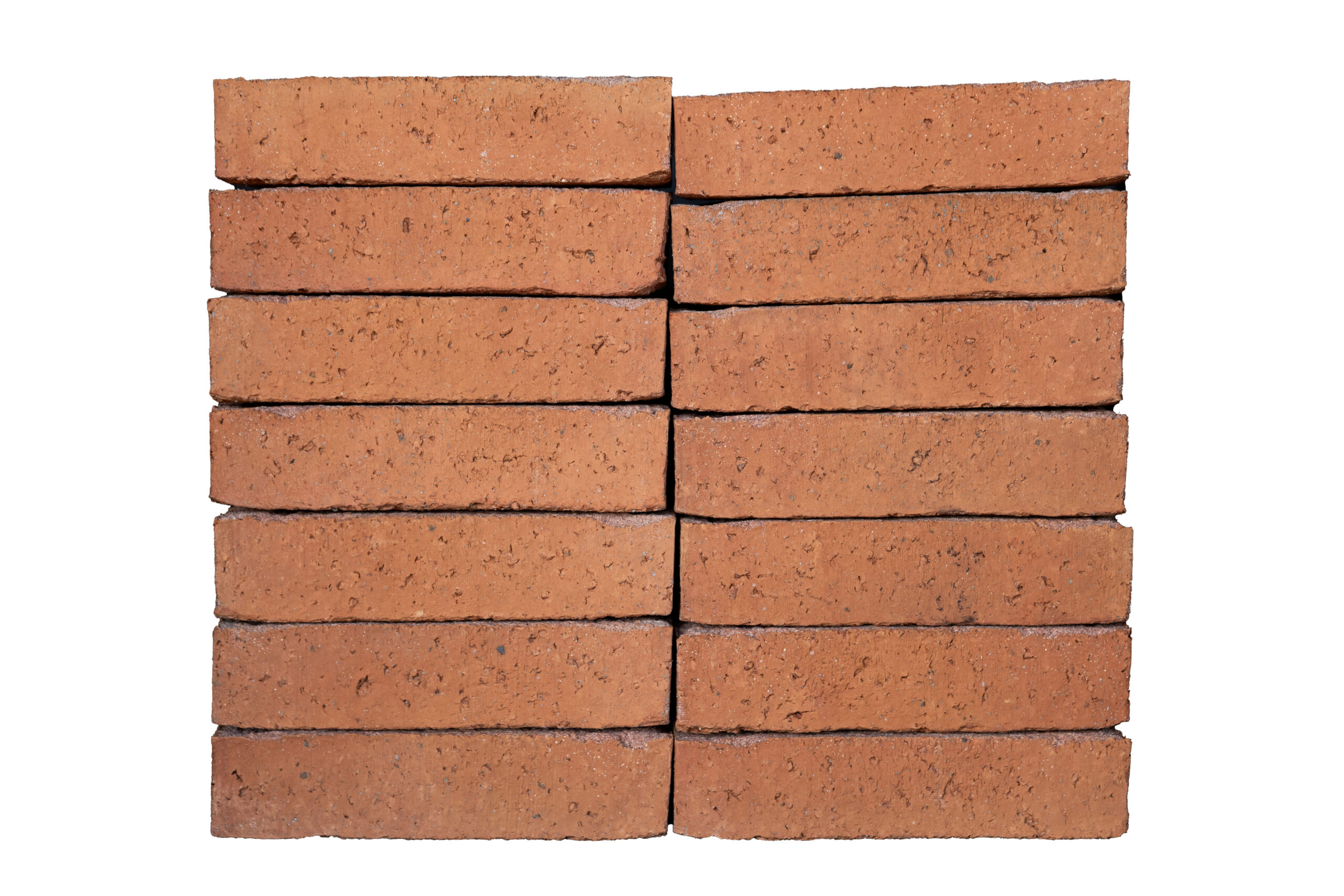
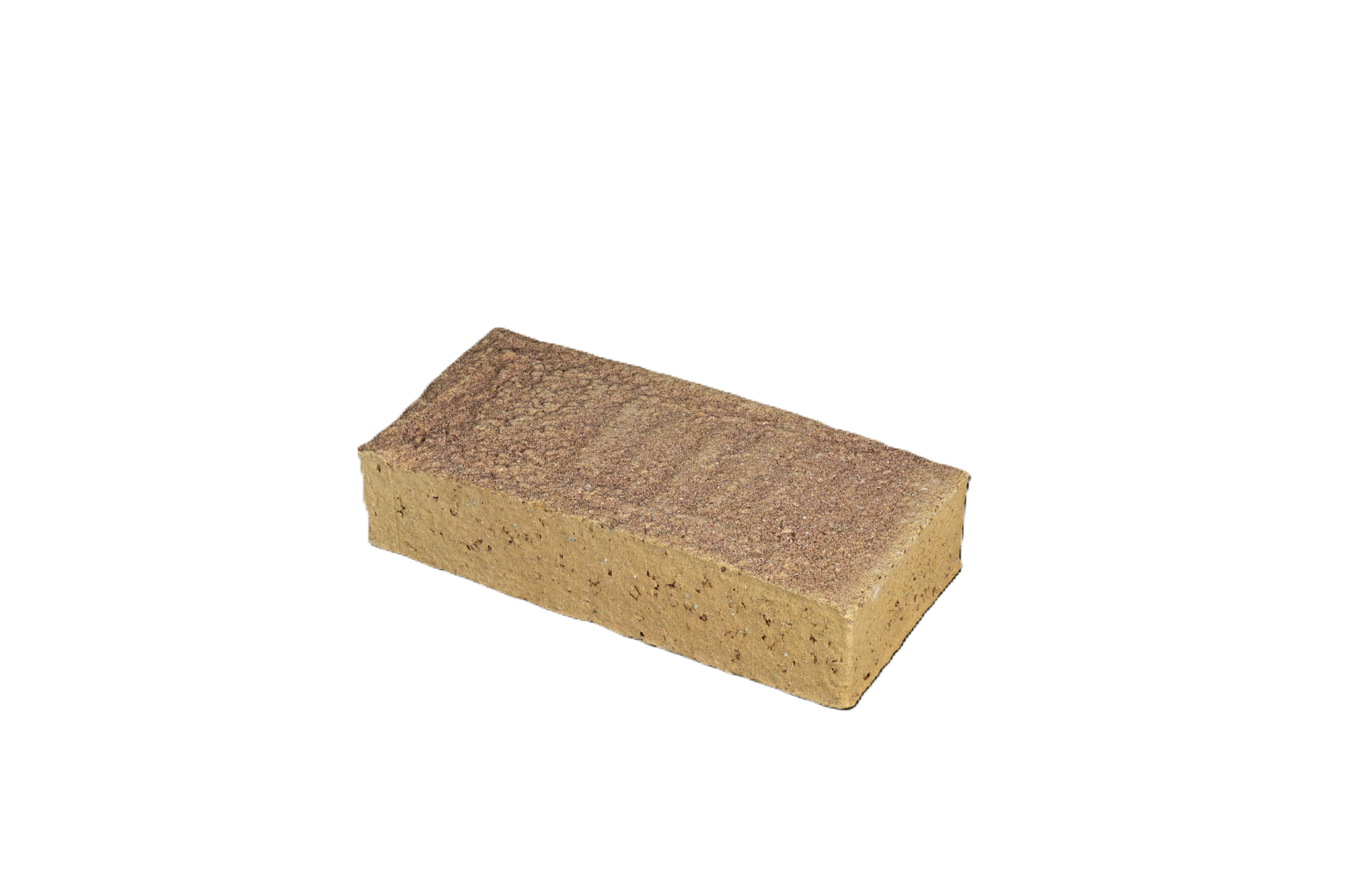
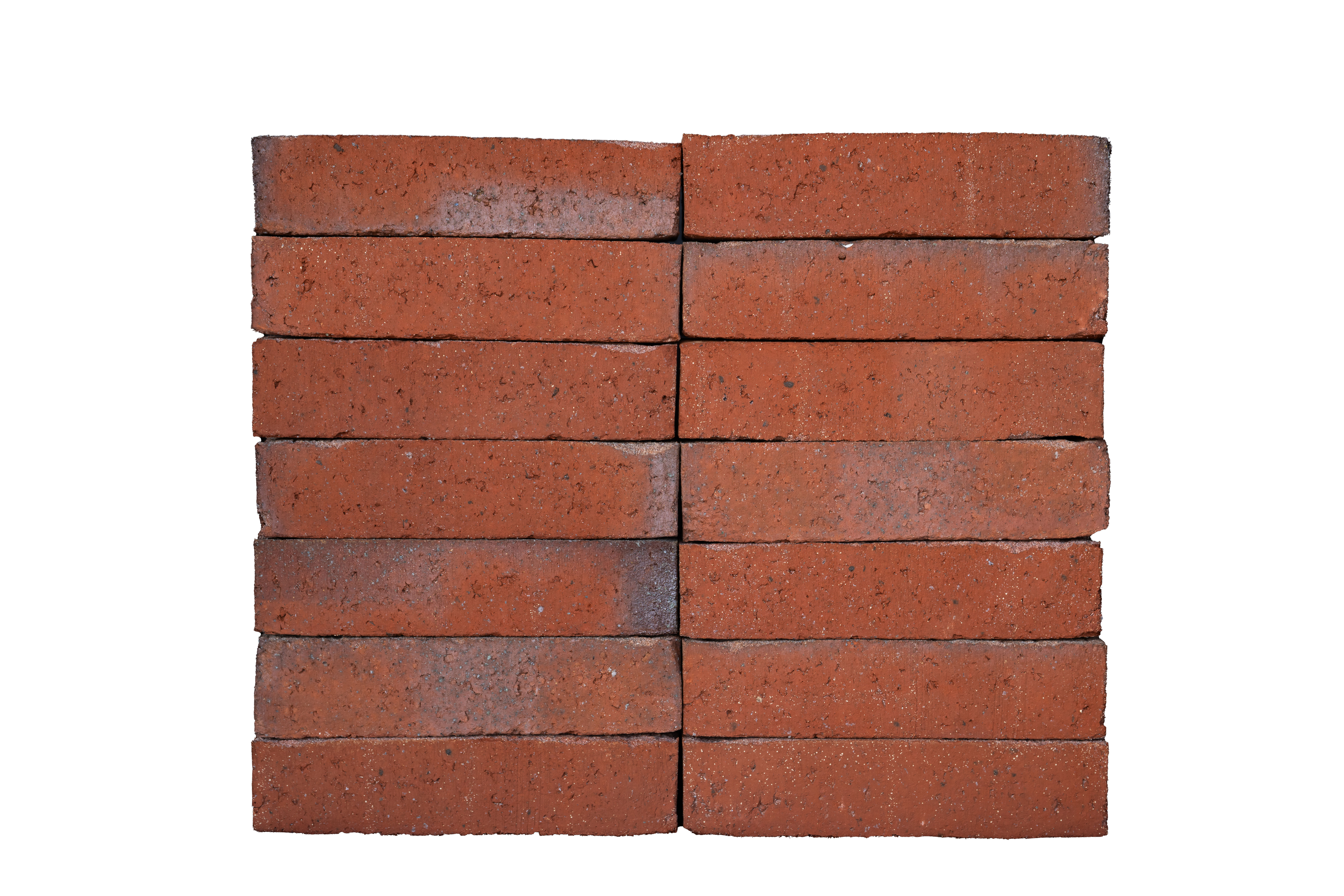
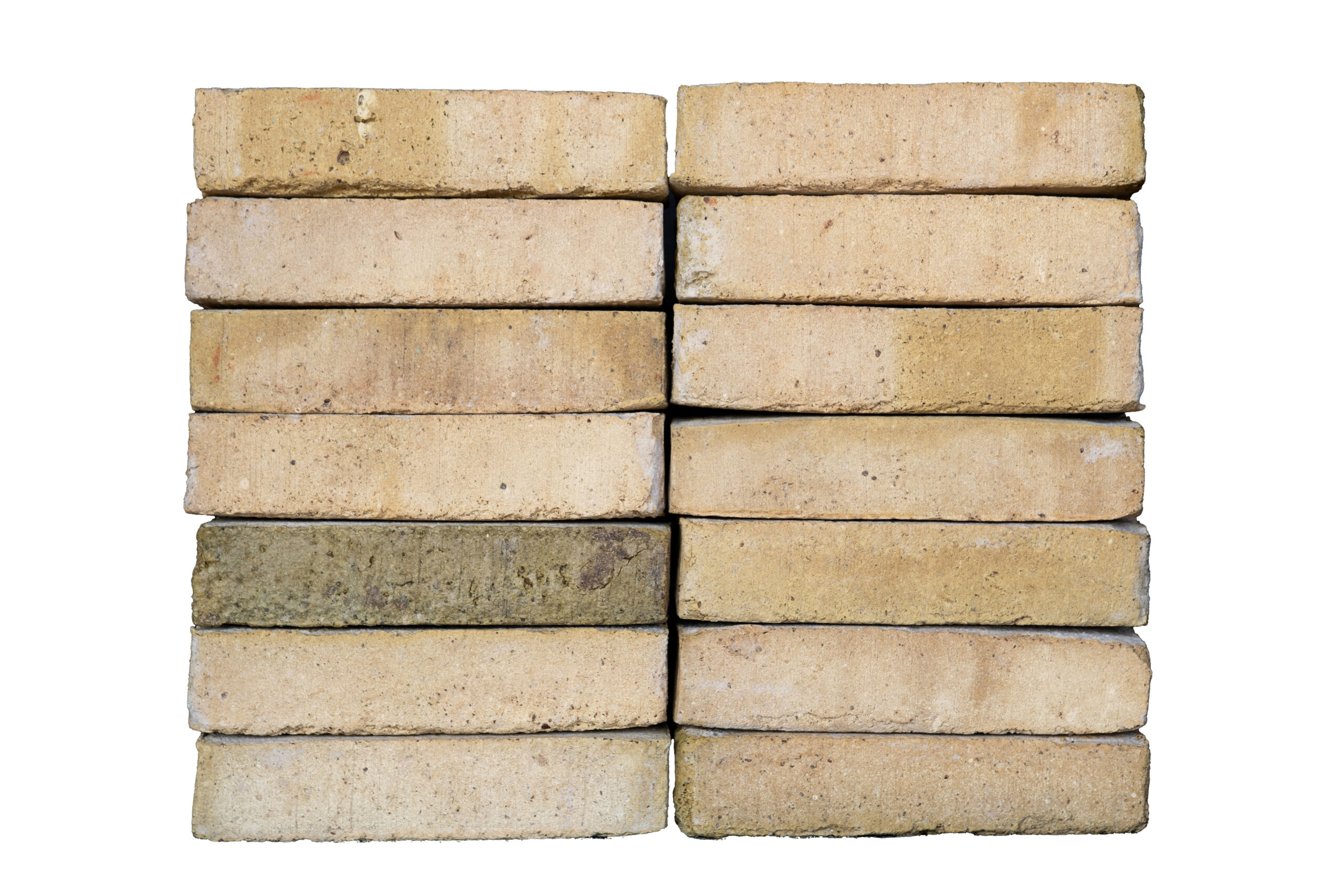
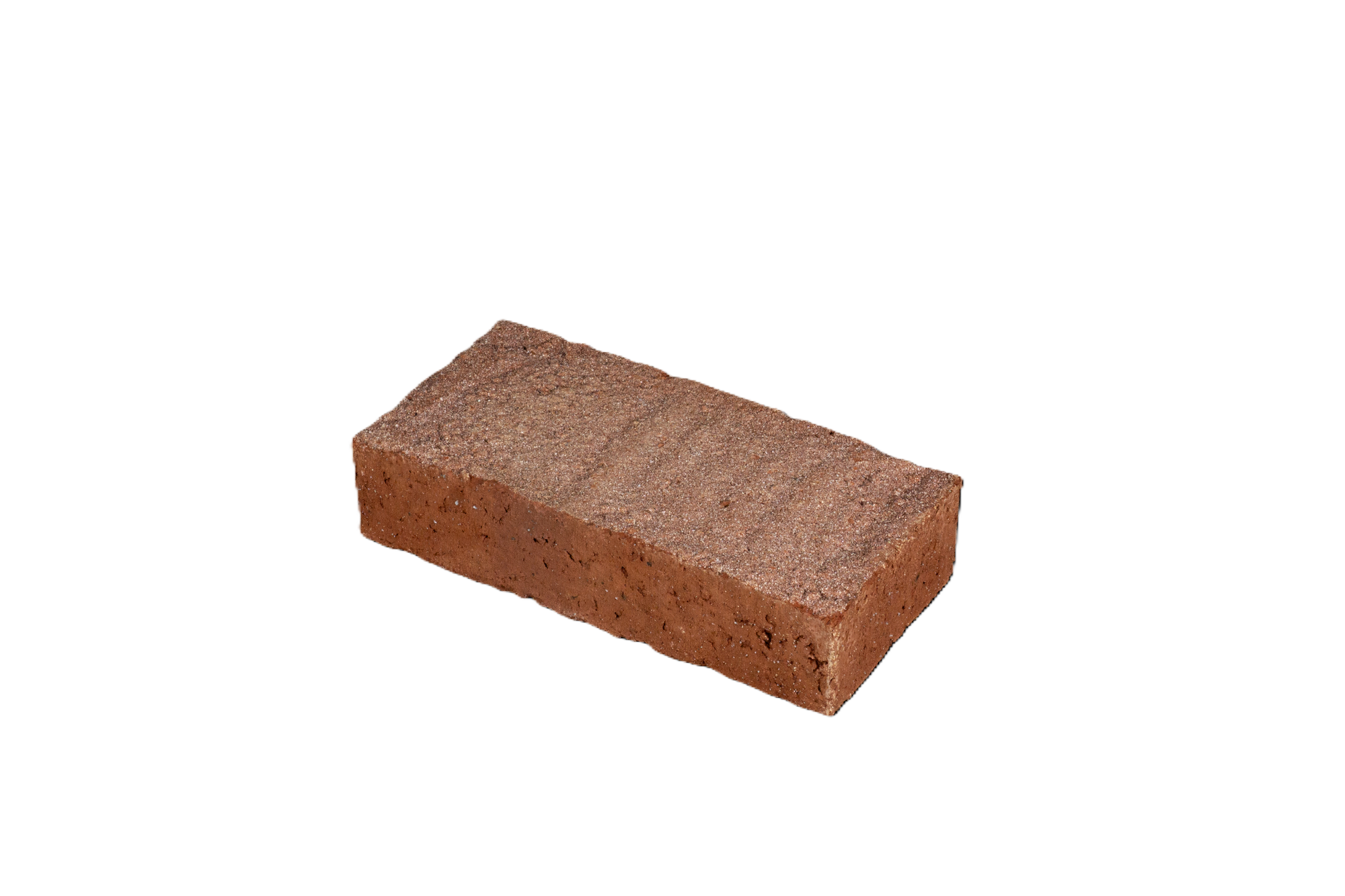
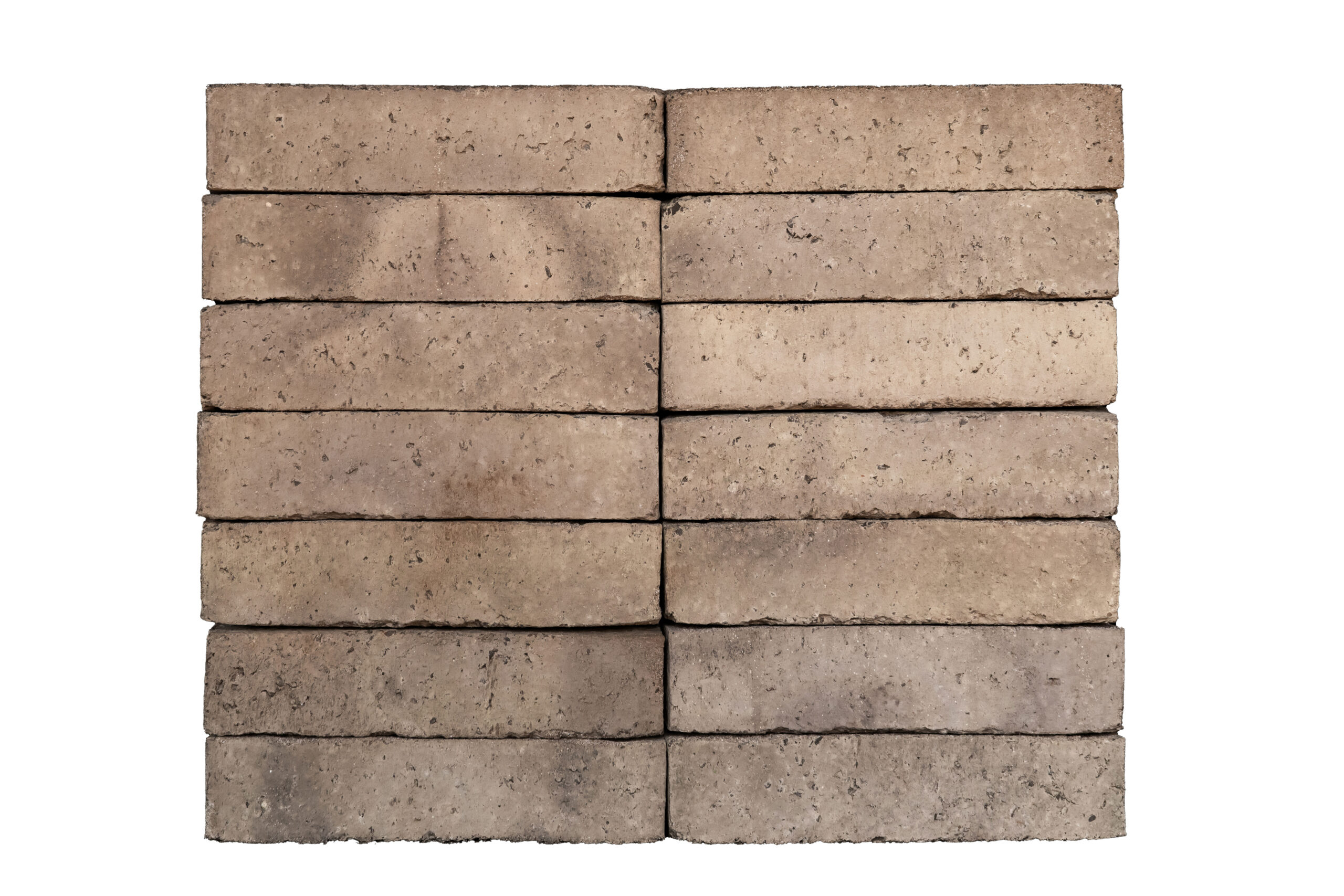
The visual character of the brick is defined by its distinctive surface structure and unsanded finish. This combination results in a raw, expressive appearance with a broad spectrum of colour tones. The smoked treatment enhances the depth and nuance of the colour, giving façades a natural, layered look that evolves subtly under different light conditions. The aesthetic is robust and contemporary, yet timeless, making the brick suitable for a wide range of architectural applications.
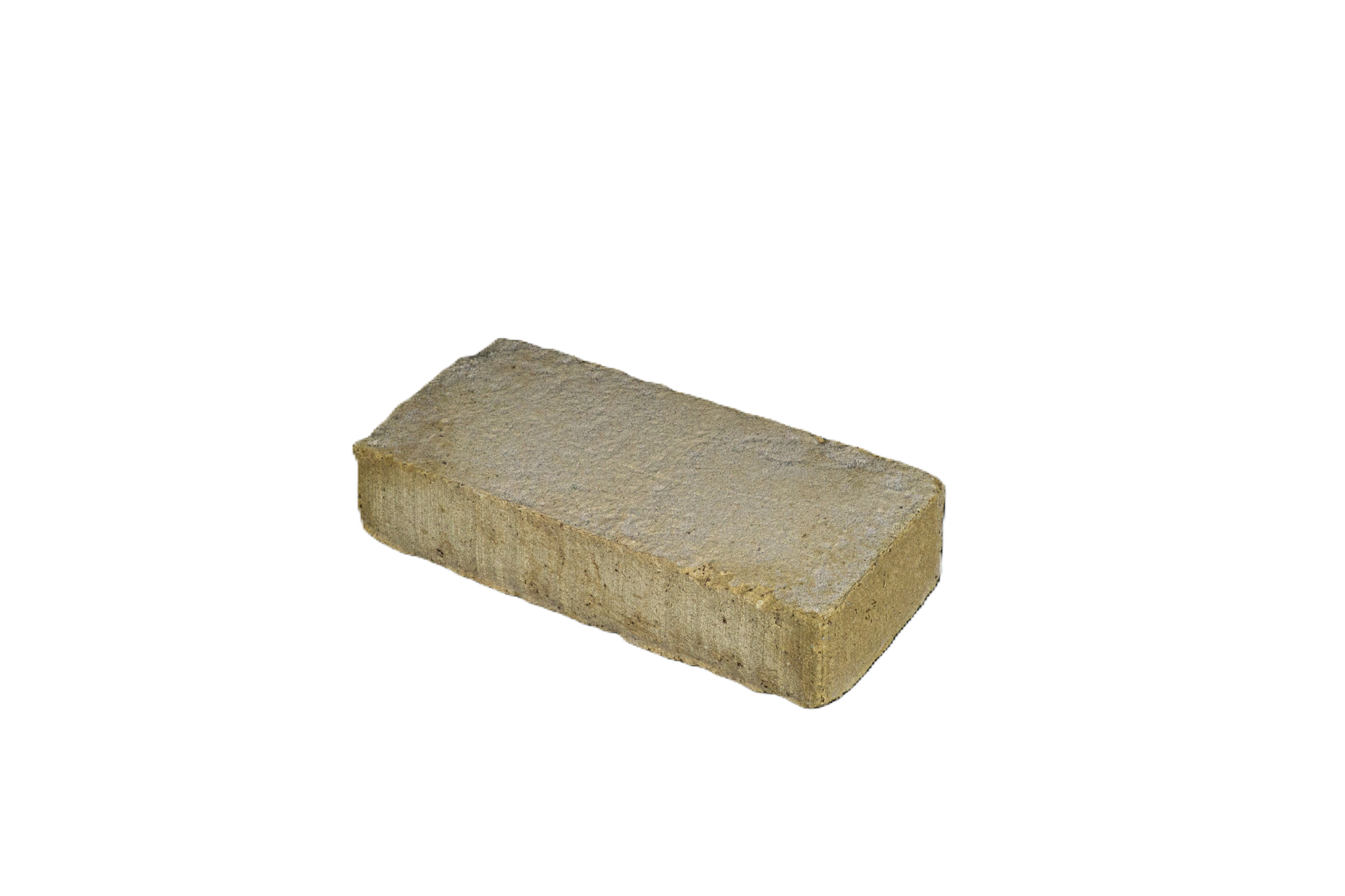
WasteBasedBricks® are designed not only for visual quality, but also for long-term performance. The bricks have an average dimension of 216 x 102 x 52 mm, with a dimensional tolerance class T2 and size range R1, ensuring reliable processing on site. The gross dry density is approximately 1860 kg/m³ (class D1), contributing to the material’s solid and durable character.
In terms of strength and resistance, the bricks meet the requirements for structural and façade applications. The average compressive strength is at least 15 N/mm². The bricks have a normal initial rate of water absorption (IW3), ranging between 1.5 and 4.0 kg/m²·min, and a maximum water absorption of 10% by mass. This balanced moisture behaviour supports both durability and masonry performance.
WasteBasedBricks® are classified in frost resistance class F2 (frost class D), making them suitable for exposure to freeze-thaw cycles in demanding climates. The content of active soluble salts falls within class S2, reducing the risk of efflorescence and contributing to long-term façade quality.
Production takes place through a low-impact process, without firing, resulting in significantly reduced energy consumption and CO₂ emissions. Where possible, emissions are further reduced and compensated through sustainable energy solutions, including hydrogen.